

News & Guides / Riding Guide
Riding GuideWhy Electric Scooters in Pakistan Are Not a Trend, But a Necessity
Pakistan’s mobility challenge is often discussed through the lens of fuel prices, climate change, or government targets. While all of these matter, they don’t fully explain why electric scooters make sense for Pakistan today.
At Evee, our starting point has always been simpler:
Who actually needs mobility and who has been left out of it?
Understanding Pakistan’s Two-Wheeler Reality
Pakistan has a two-wheeler industry of roughly 25 million vehicles on the road, with 1.5 to 1.8 million new bikes added every year. Out of this, around 10% operate in B2B use cases, while the overwhelming majority are owned by retail consumers who rely on two-wheelers for daily commuting.
But here’s the gap most conversations miss:
Not everyone in a household rides, or wants to ride, a motorbike.
The Consumer We Don’t Talk About Enough
In a typical Pakistani household, mobility is often centralized around a single earning member. The rest of the family adapts.
- A daughter going to college
- A sister commuting to work
- A wife managing daily errands
- An elderly parent going to the mosque
For many, the options are limited:
- Walking long distances
- Public transport that is inconsistent
- Rickshaws and ride-hailing apps that are expensive over time
- Dependence on friends or family
This is not a fuel problem.
This is a mobility independence problem.
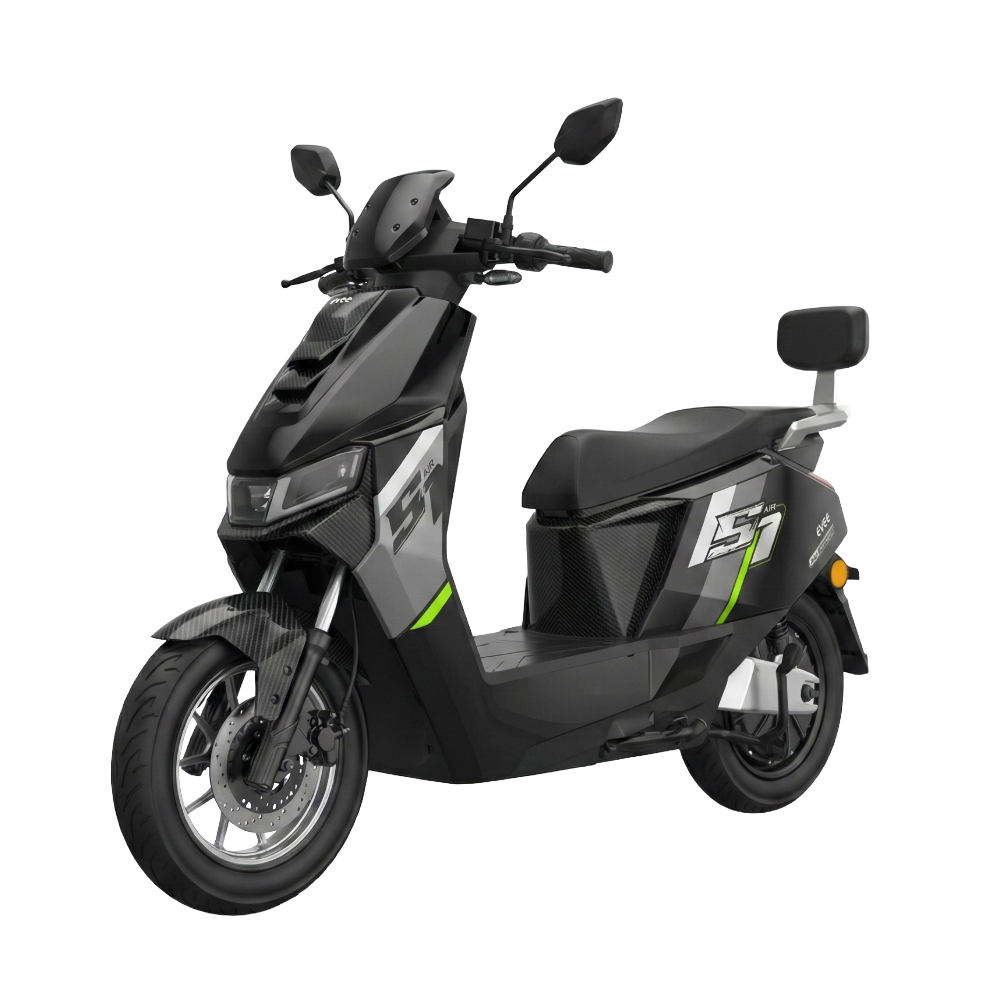
Evee scooters exist to solve exactly that.
Why Bikes Are Not Always the Answer
Despite being common, motorbikes are not universally accessible:
- Manual gears and kick-starts are difficult for many users
- Sitting posture is uncomfortable, especially for women and older riders
- Noise, vibration, and image perceptions still matter
- Safety and ease of use remain concerns
Cars are even further out of reach. With entry-level vehicles crossing PKR 3 million, owning multiple cars per household is unrealistic for most families.
This is where electric scooters naturally fit, not as a replacement for bikes, but as a new category altogether.
EVs: Different Reasons for Different Users
The mistake many brands make is treating all EV consumers the same. They aren’t.
B2B users (delivery riders, fleet operators) care primarily about:
- Cost per kilometer
- Fuel savings
- Payback period
If savings are not clearly proven, adoption doesn’t happen, sustainability alone is not enough .
Retail consumers, however, think differently:
- Ease of use
- Comfort
- Independence
- Daily reliability
They are not buying EVs to save the planet.
They are buying them to move freely at a lower cost.
Where the Government Fits In
The government’s role is important, but different.
The government’s target of 30% electric vehicles by 2030 is driven by:
- Reduced fuel imports
- Lower emissions and smog
- Long-term environmental sustainability
These goals matter at a policy level. But consumer adoption only happens when personal needs are met first.
A Win-Win-Win Model
When electric scooters are positioned correctly:
Consumers gain independence and ease of mobility
The government moves closer to sustainability targets
Businesses create a new, untapped market instead of fighting for share in existing ones
At Evee, the vision is not to steal from the 1.5 – 2 million bike market, but to expand the overall mobility ecosystem, by enabling people who were never true bike consumers to begin with.
That’s not disruption for the sake of disruption.
That’s inclusion.
Share